
A Lifelong Pursuit: From a Kitchen Table in Sin Ming to the Argentinian Deep Sea
Growing up in Singapore, Hokkien Mee wasn’t just a staple; it was a ritual that defined my family weekends. We’d gather around tables overflowing with satay and zichar favorites, but for me, the real heart of the meal was a simple, non-descript stall on Sin Ming Road.
My mother, knowing it was my favorite, would often pack a lunch for me from that coffee shop (a spot that’s since been replaced by Thomson V). Because I was usually out until late afternoon, that parcel would sit on our kitchen table for hours, tightly wrapped in an opeh leaf. When I finally opened it, I didn't find the dry, scorched version of the dish so common today. Instead, I found a revelation: sticky, clumpy noodles that had spent the afternoon acting like a sponge, absorbing every drop of prawn-rich broth until the pork lard had softened into a savory silkiness. That flavor profile became my core memory—the ultimate benchmark for what comfort food should be.
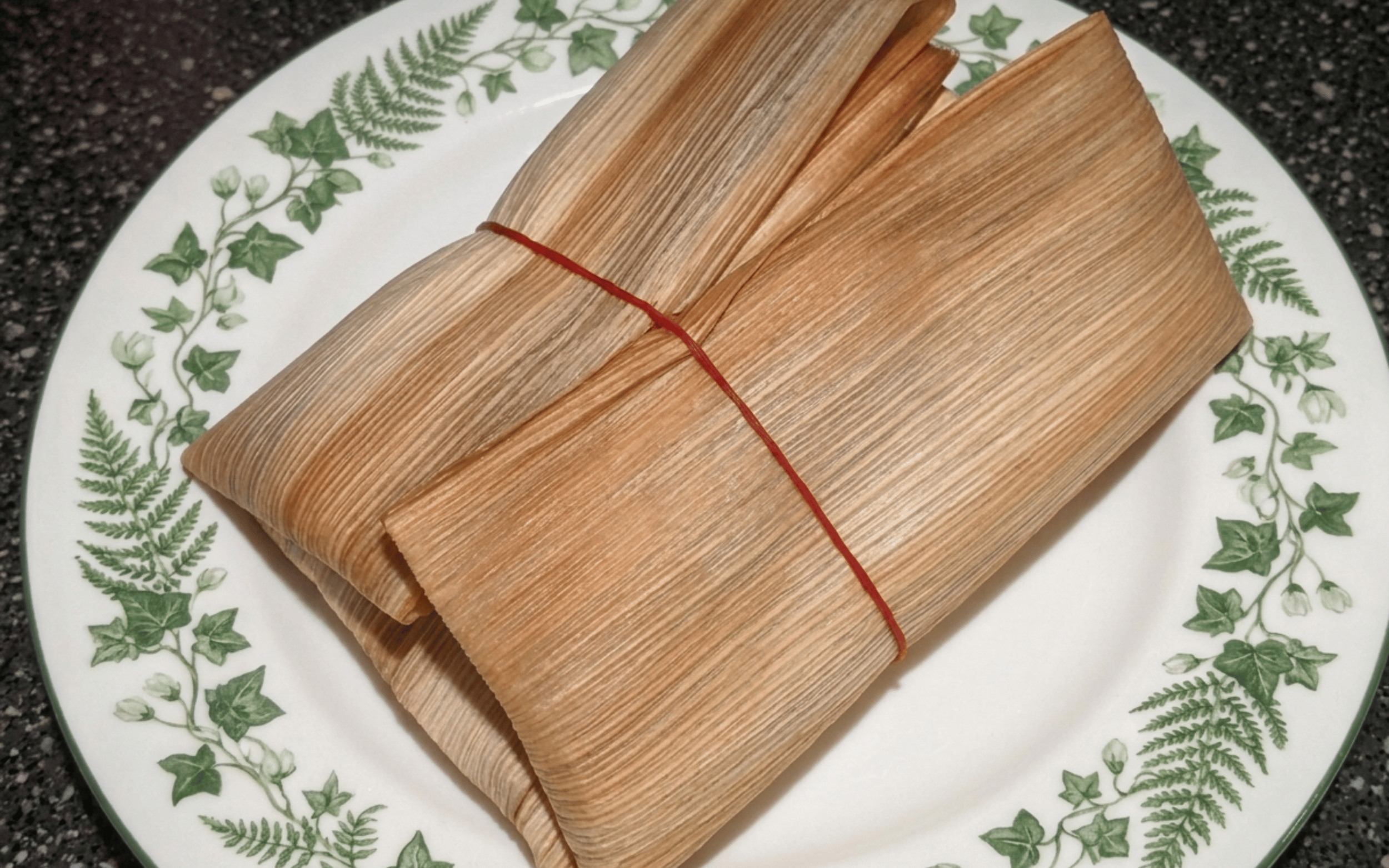
Hokkien Mee wrapped in Opeh Leaf
From Core Memory to Culinary Obsession
At Fatt Choy Eating House, my goal was never to just replicate the status quo. I wanted to take that specific, soul-satisfying intensity from my childhood and elevate it through a bit of modern refinement. In a city where so many versions feel "cookie-cutter," this was my chance to do a "deep dive" into the heritage of the dish.
While many stalls chase a heavy, smoke-driven style, we’ve taken a different path that we call our own. We lead with the prawn. We’ve refined our technique to focus on a wetter, umami-forward varietal because we want the noodles to act as a vehicle for the richest stock possible. While we still use a professional wok technique to create a restrained char for that essential savory backbone, we keep it in check so it never masks the delicate sweetness of the seafood.
The Secret Weapon: Our Scarlet Prawn Oil
To get the level of intensity I was chasing, I realized we had to look beyond standard ingredients. That’s why we use Argentinian scarlet prawns. These deep-sea treasures have a naturally sweeter, "shrimpier" flavor profile compared to local varieties, and we make sure every bit of that soul makes it onto the plate.
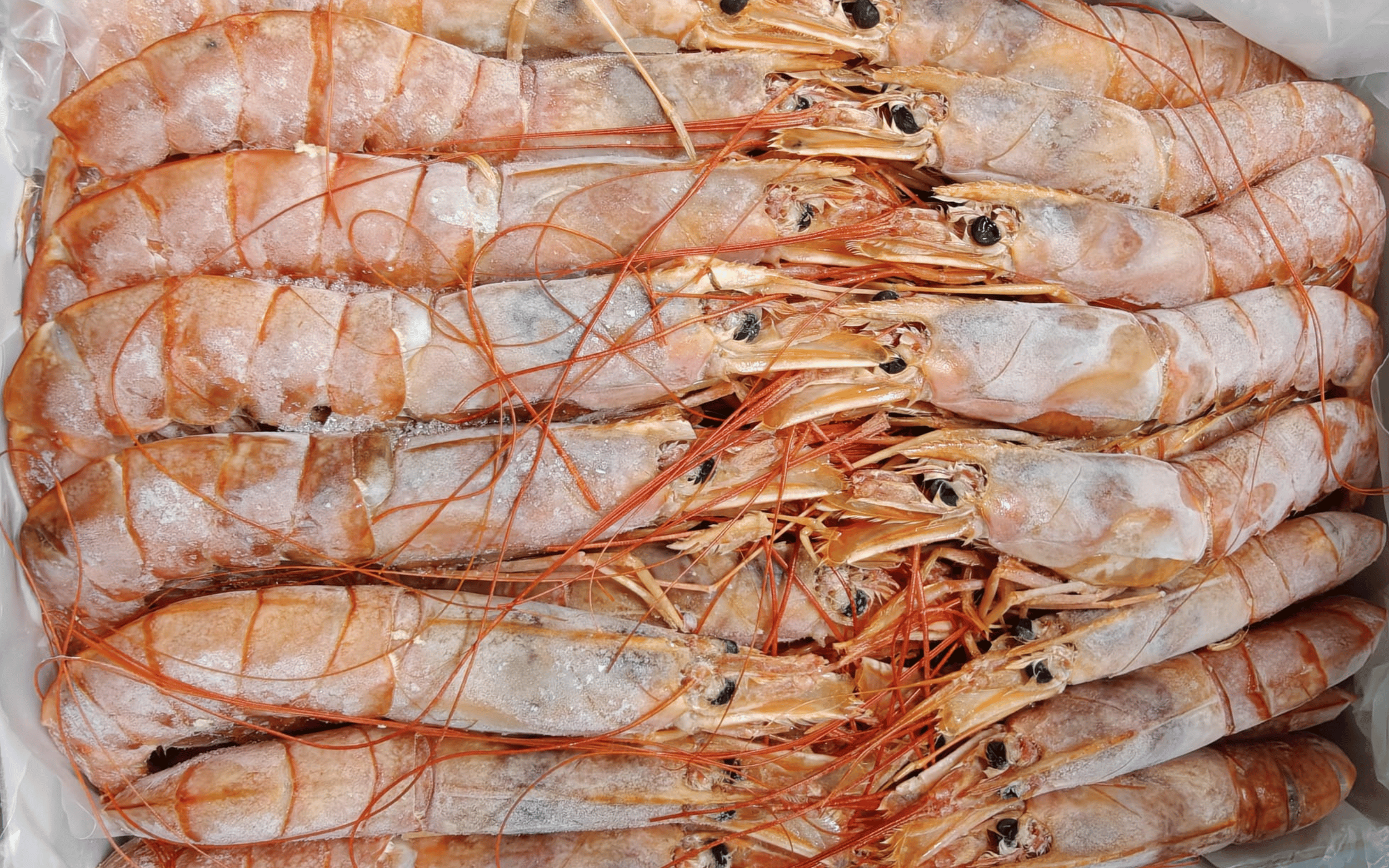
Scarlet Prawns from Argentina are famous for having a sweet, rich flavor and a plump, meaty texture that closely mimics lobster.
The real magic happens with the shells. We take those vibrant crimson shells, roast them until the whole kitchen smells like a toasted breeze from the coast, and slow-cook them down into a deep red oil. It is a total umami bomb. When we lace that oil generously over the noodles at the very end, it builds a foundation of deep-sea intensity that is integrated into the very core of the dish.
The Final Act: The Opeh Leaf Transformation
To bring everything full circle, we return to the inspiration of that kitchen table on Sin Ming Road. After the noodles have braised in the stock, we tuck them into a special opeh leaf wrapper and slide the whole parcel into the oven for a final bake.
This isn't just for show. The heat from the oven draws out a beautiful, earthy aroma from the leaf, imbuing the dish with a woody scent that perfectly balances the sweetness of the prawns. When you peel back that leaf, you aren’t just getting a meal; you’re tasting a lifelong obsession with finding that one perfect, prawn-soaked bite.
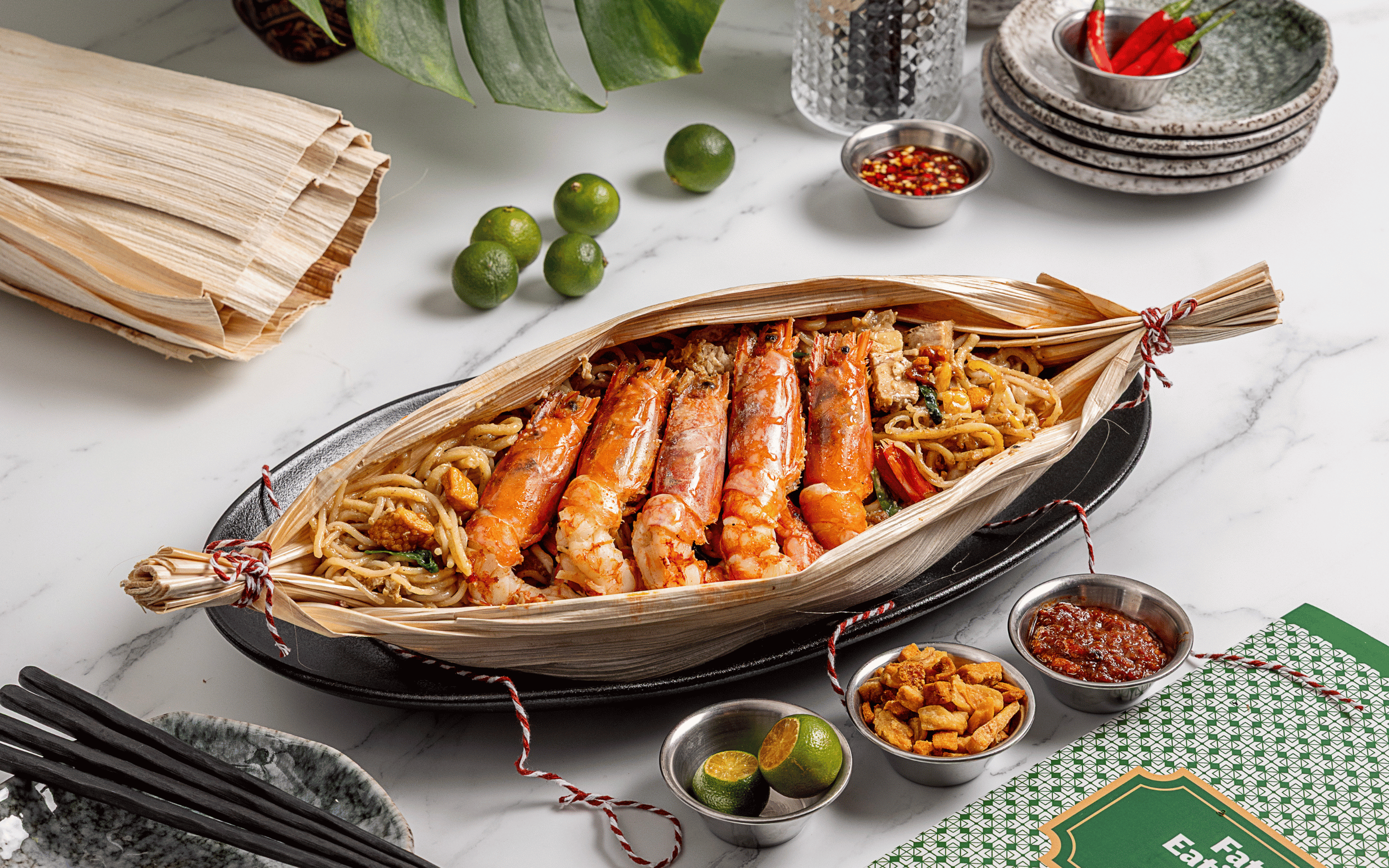
Fatt Choy Eating House’s Singapore Hokkien Mee with Scarlet Prawns in Opeh Leaf
Experience the "Deep Sea" Difference.
Join us at Fatt Choy Eating House on 10 Haji Lane to discover the umami-forward fried Hokkien Mee that started with a simple package on a kitchen table. Explore our full menu here to discover our other dishes.
Book your table today and taste the difference for yourself.
